
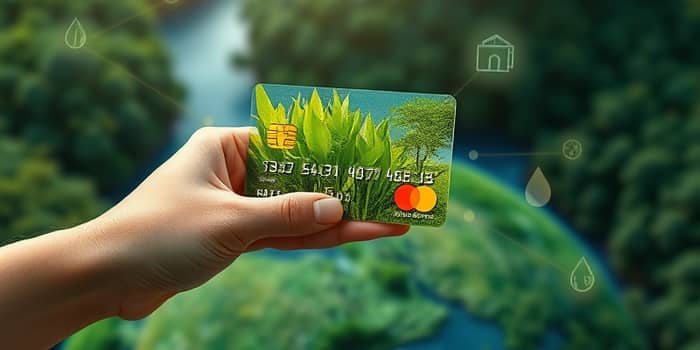
In an age where every purchase leaves a footprint, the mundane payment card is being reimagined for a greener future. Traditional plastic cards contribute to landfill waste and ocean pollution, but innovators are forging a new path.
Across the globe, financial institutions and manufacturers collaborate to create cards built with environmentally responsible materials and processes, integrated carbon-tracking features, and rewards that champion eco-friendly habits.
Market Dynamics and Growth
The eco-friendly card sector has experienced remarkable expansion as consumers demand products aligned with their values. Industry projections estimate a market worth $250–$500 million in 2025, with a robust 15% CAGR through 2033.
- Market size: $250–$500 million (2025)
- Projected growth: 15% CAGR to over $875 million by 2033
- Green card accounts: 6.3 million opened by eco-conscious users
Millennials, Gen Z, and affluent consumers are at the forefront, embracing values-driven spending aligned with sustainability to reflect their environmental commitments.
Innovations in Sustainable Materials
Reimagining card composition is central to reducing plastic waste. Emerging materials include:
- Bamboo and wood blends sourced from FSC-certified forests
- Corn-based bioplastics replacing up to 80% of fossil components
- 100% recycled PETG and 82% recycled PVC cards
- Repurposed ocean and post-consumer plastics
While some solutions introduce durability and cost challenges, ongoing research and development are narrowing the performance gap with conventional cards.
Features That Empower Eco-Conscious Consumers
Beyond their green construction, modern eco-cards integrate tech-forward tools:
- Platforms that display purchase carbon emissions in real time
- Automatic carbon offsets or tree-planting linked to every transaction
- Tiered cashback rewards for sustainable merchants and products
- Charitable donations directed to vetted environmental nonprofits
These capabilities turn each swipe or tap into a tangible step toward a healthier planet.
Consumer Trends and Behavior Shifts
Recent studies show nearly 80% of buyers feel better purchasing eco-friendly items. Younger demographics, in particular, expect transparency and accountability from their financial products.
Gen Z and millennials often select issuers that publicly share transparent sustainability practices. Easy access to material sourcing details and carbon-offset metrics via apps has become table stakes.
Regulatory and Industry Landscape
Governments in North America and Europe are imposing stricter regulations on plastic waste, spurring banks and card networks like Visa and Mastercard to adopt greener solutions.
At the same time, nimble fintech startups and regional banks introduce niche offerings—custom designs, digital-first experiences, and novel material blends—to capture eco-minded segments.
Challenges and Opportunities
Despite rapid innovation, the sector grapples with higher production costs for bio-based materials, potential compromises in security and durability standards, and the need to educate mainstream consumers beyond early adopters. Additionally, the rise of digital wallets may reduce demand for physical cards, challenging issuers to balance novelty with practicality.
Environmental Impact and Lifecycle Benefits
Conventional PVC cards can linger in ecosystems for centuries. By contrast, sustainable alternatives emphasize circular economy principles—minimizing virgin plastic use and facilitating end-of-life recycling.
Manufacturers now track every stage of a card’s lifecycle—from ethical sourcing to take-back programs—ensuring waste reduction and lower overall carbon emissions.
Case Studies: Pioneers of Green Card Innovation
Vancity’s carbon-tracking Visa card provides detailed emissions analytics with each purchase, while Aspiration Zero plants a tree for every swipe. Beneficial State Bank allocates 0.5% of transaction value to environmental nonprofits, linking daily spending to real-world impact.
GLS Bank in Germany offers a wooden card from sustainably managed forests, and G&C Mutual Bank’s recycled PVC card demonstrates the power of upcycling existing waste streams.
Future Outlook
The next generation of eco-cards will leverage enhanced traceability via blockchain integration, AI-driven sustainability insights, and deeper digital-wallet integration to further minimize physical plastic use.
As technological breakthroughs and regulatory frameworks advance, a robust sustainable finance ecosystem will emerge, empowering consumers to make greener choices effortlessly.
Conclusion
The evolution of payment cards into eco-friendly instruments represents a profound shift toward holistic environmental responsibility in finance. What was once a simple swipe now becomes an opportunity to support planetary health.
By embracing innovative materials, transparent features, and collaborative solutions, we can ensure every transaction contributes to a sustainable future.
References
- https://www.marketreportanalytics.com/reports/eco-friendly-credit-card-188116
- https://www.gabv.org/long-read/make-your-purchases-greener/
- https://www.datainsightsmarket.com/reports/eco-friendly-credit-card-410648
- https://www.archivemarketresearch.com/reports/eco-friendly-credit-card-675329
- https://www.tietoevry.com/en/blog/2024/06/card-payments-cost-the-earth--but-we-can-pay-it-back/
- https://theimpactinvestor.com/marketplace/green-credit-cards/
- https://www.mastercardservices.com/en/advisors/payments-consulting/insights/how-payment-card-popularity-lays-pathway-sustainable
- https://coinlaw.io/credit-card-statistics/
- https://www.bankrate.com/credit-cards/advice/eco-friendly-credit-cards/
- https://www.thalesgroup.com/en/solutions-catalogue/enterprise/financial-services/sustainable-payment-cards
- https://cashessentials.org/the-environmental-footprint-of-payment-cards/